When “helping out” crosses the line into hurting the game.
There’s no faster way to divide a travel baseball team — or a sideline full of parents — than the phrase “We’re bringing in a guest player this weekend.”
At first, it sounds harmless. A kid is missing, a roster’s short, a coach “needs one more bat.” But over time, guest players have become one of the most frustrating and demoralizing trends in travel baseball — for the players who grind every week, the parents who pay thousands to support them, and the integrity of the team itself.
Let’s call it what it is: the guest player culture has gotten out of control.
💸 The Paid Player Problem
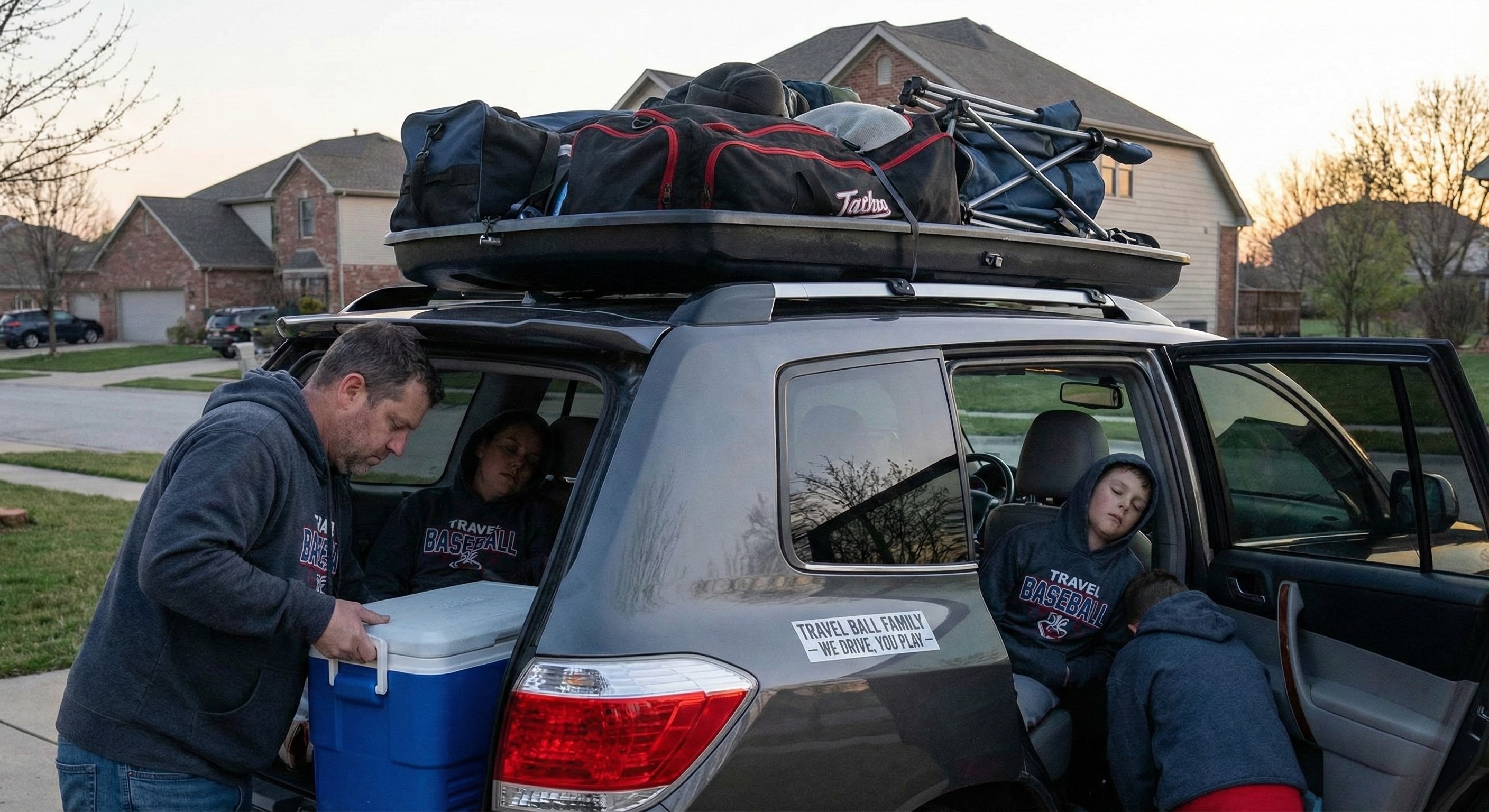
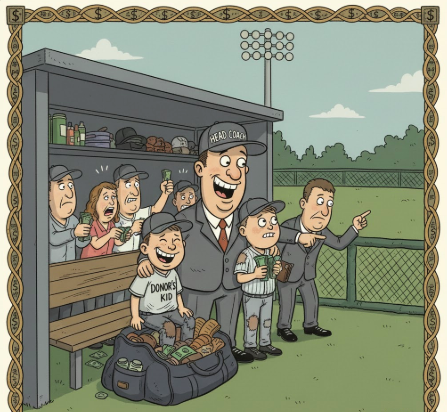
Parents don’t spend thousands of dollars in fees, travel, equipment, and hotels to watch their kid sit on the bench while someone who doesn’t even belong to the team takes their spot. Yet it happens constantly. Coaches justify it by saying, “We need to stay competitive,” or, “It’s just for one tournament.” But from a paid player perspective, it’s just plain wrong.
Families sign up for a team, not a revolving door of rentals. Your player earns their role through practices, commitment, and team chemistry — not by being the flashiest name available on a free weekend. Guest players undermine that work ethic and send the message that loyalty means less than convenience.
😔 What It Does to the Players
The damage goes far beyond playing time. It hits confidence, trust, and team unity. When a guest player swoops in and gets more reps, innings, or at-bats than a regular roster kid, the message is clear: you’re replaceable.
That’s a tough lesson for a 12- or 14-year-old to absorb — especially when they’ve been showing up to every practice, putting in the work, and doing everything asked of them. It creates quiet resentment in the dugout. Kids won’t always say it out loud, but they feel it. And once that morale dips, it’s hard to get back.
Guest players can also upset team chemistry. Baseball thrives on rhythm and relationships — pitchers knowing their catchers, infielders communicating instinctively, hitters feeding off each other. Drop in a random player mid-tournament, and that cohesion disappears.
😡 What It Does to Parents
Parents see it. They feel it. They’re the ones paying for hotels and uniforms and gate fees while watching someone else’s kid play the spots their child has worked for. It creates tension not just with the coach, but among the parent group itself. You get cliques, complaints, and eventually, roster turnover — not because of poor performance, but poor leadership.
The lack of transparency makes it worse. Too often, guest player decisions are made quietly, without communication or explanation. The regulars find out when they show up to the field and see a new face in uniform. That’s not team management — that’s disrespect.
⚾ The Coach’s Dilemma — and Responsibility
To be fair, coaches sometimes face tough calls. A kid’s injured. A family’s away. The roster’s short and they don’t want to forfeit. Those are understandable situations. But when guest players become a regular convenience — or worse, a recruiting tool — it crosses a line.
A good coach protects his roster. He builds with who he has, not whoever’s available. If the team’s struggling, the solution isn’t to borrow talent — it’s to develop it. Guest players may win you a weekend trophy, but they can cost you the respect of your team long-term.
⚠️ The Bigger Problem: The Message It Sends
At its core, guest player culture teaches the wrong values. It rewards short-term wins over loyalty, chemistry, and accountability. It tells kids that commitment doesn’t matter — that someone can just step in and take your role if the coach feels like it.
In youth sports, those lessons stick. Players start looking out for themselves instead of their teammates. Parents stop trusting coaches. Coaches start treating rosters like rosters-for-hire. And before long, the sense of team — the heart of travel baseball — gets lost.
🔄 It’s Time for a Reset
Travel baseball needs a cultural reset. Guest players should be the exception, not the norm. Coaches should clearly communicate when and why a guest is being added, ensure every rostered player gets fair opportunity, and never use outside players to chase short-term results.
Families deserve transparency. Players deserve respect. Teams deserve loyalty.
At CurveballCritiques.com, we’re not against competition — we’re against cutting corners. Guest players might fill a lineup, but they empty the spirit of what travel baseball is supposed to be about: building bonds, earning opportunities, and growing together as a team.
Because if travel baseball is really about development, not just wins, then every kid who paid, practiced, and showed up should be the one taking the field when it matters.