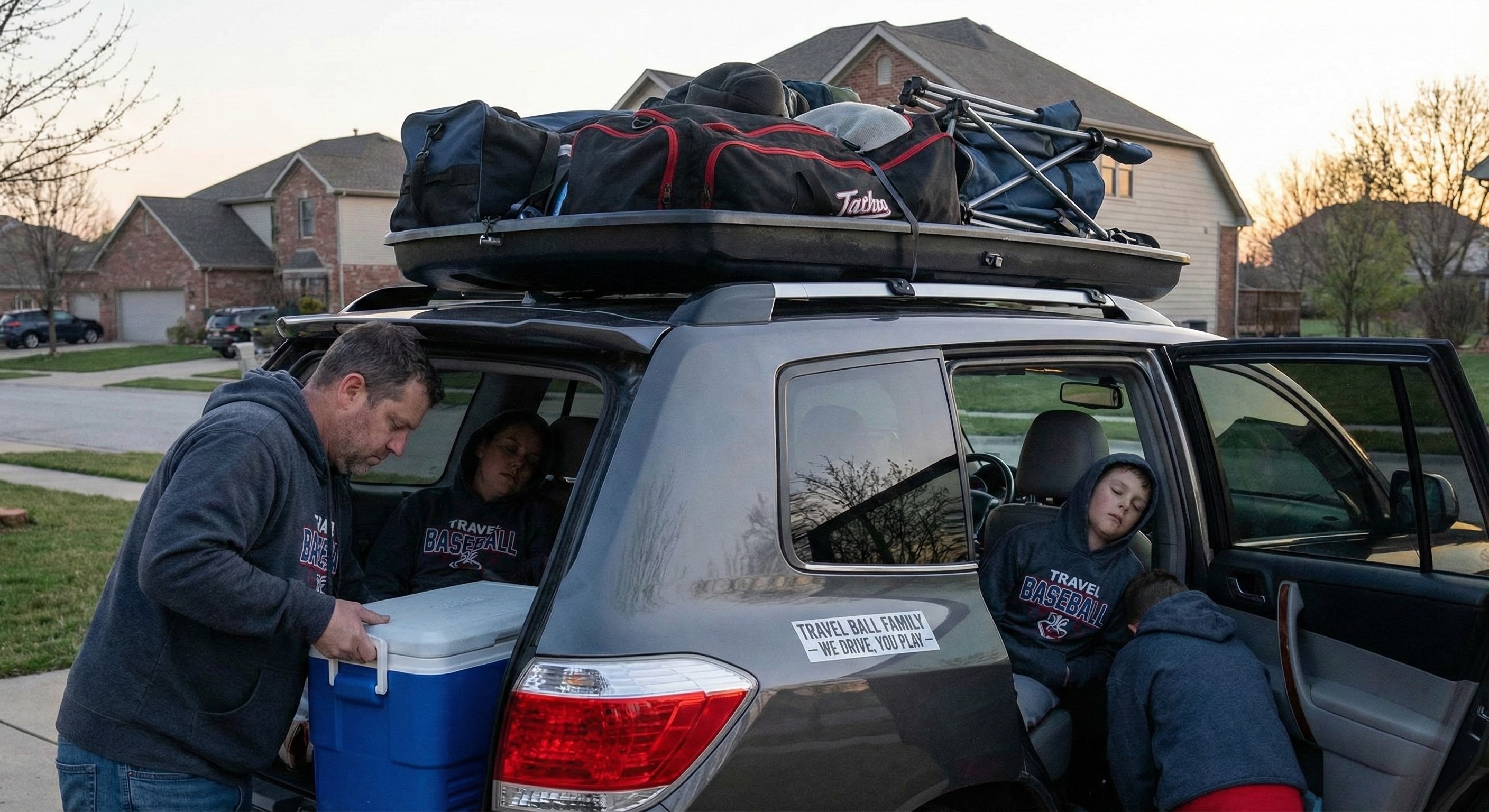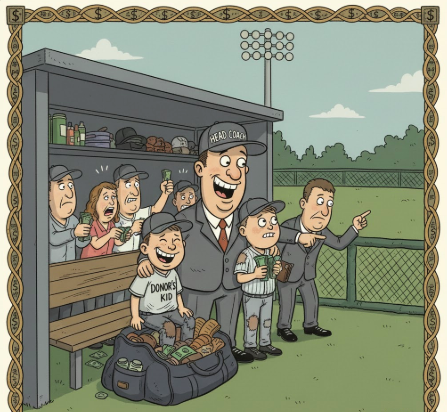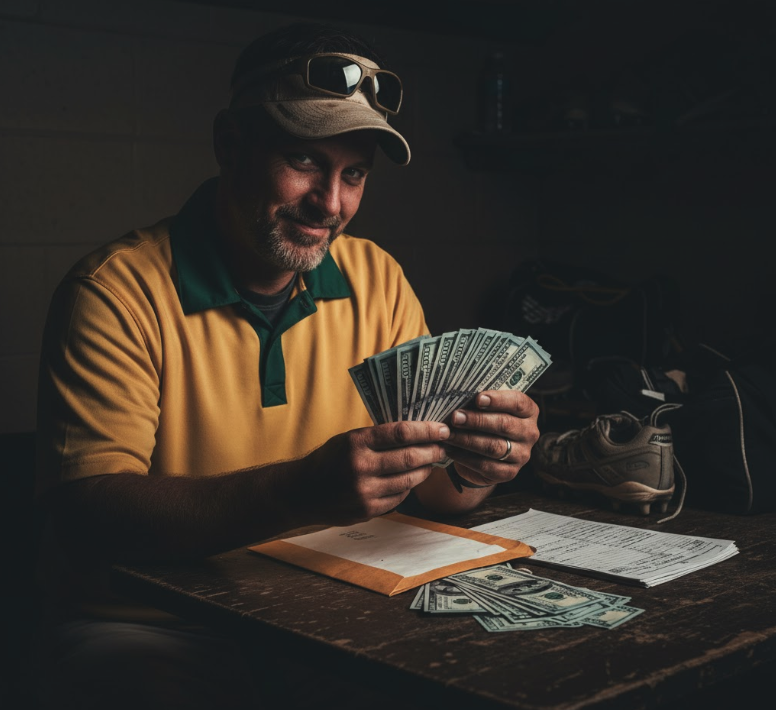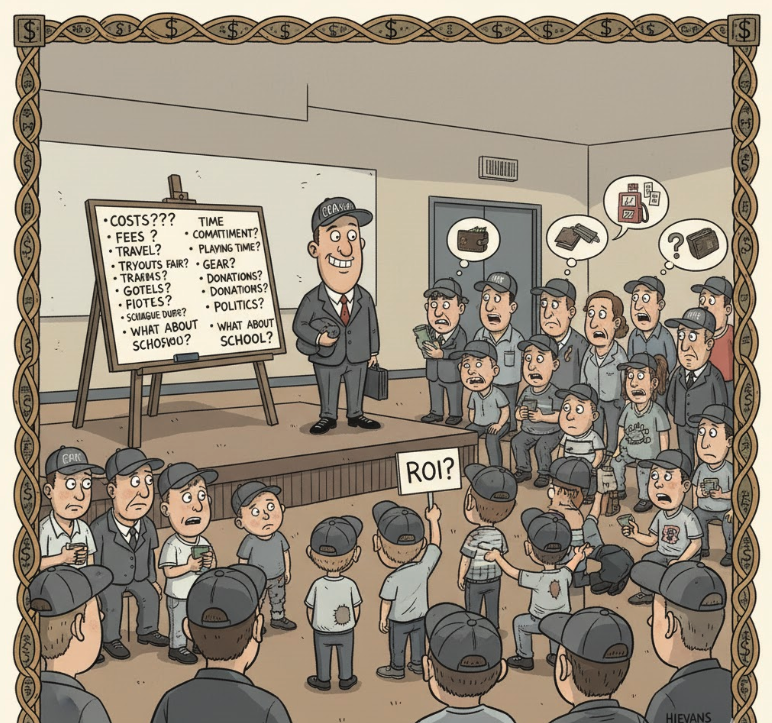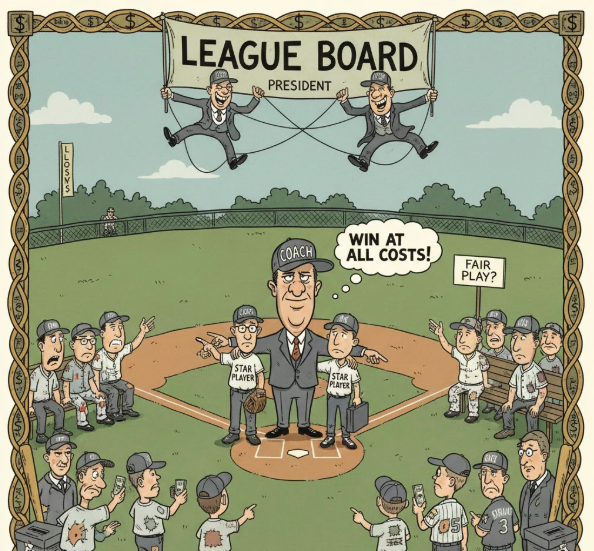
For a game that’s supposed to be about merit, travel baseball sure feels political sometimes. You see it in the lineups, in the pitching rotations, in the subtle nods and quiet favoritism that everyone pretends not to notice. The truth? Politics in travel baseball is as real as the infield dirt — and it’s ruining the experience for a lot of kids who just want a fair shot.
🏫 The High School Pipeline Problem
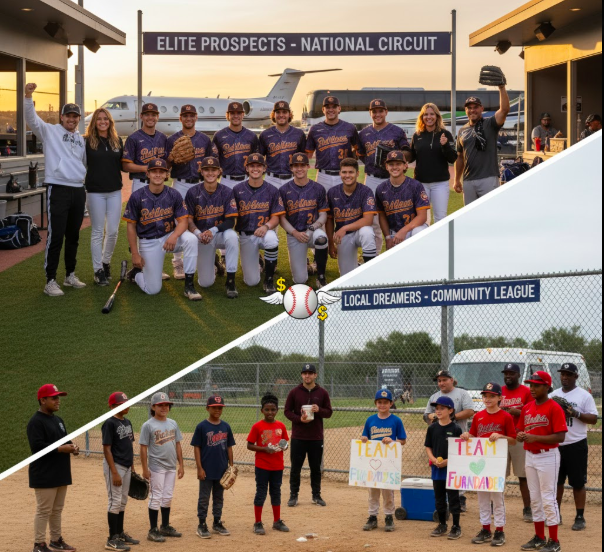
One of the most common complaints in travel ball is the rise of what parents call “feeder teams” — travel rosters quietly stacked with players from a coach’s local high school program. On paper, it’s all about “chemistry.” In reality, it’s about control.
Some coaches use travel ball as a year-round training ground for their high school athletes — giving their own kids more reps, more innings, more at-bats, and more visibility. Meanwhile, the unaffiliated players — the ones who paid full price and don’t share that school connection — get squeezed out.
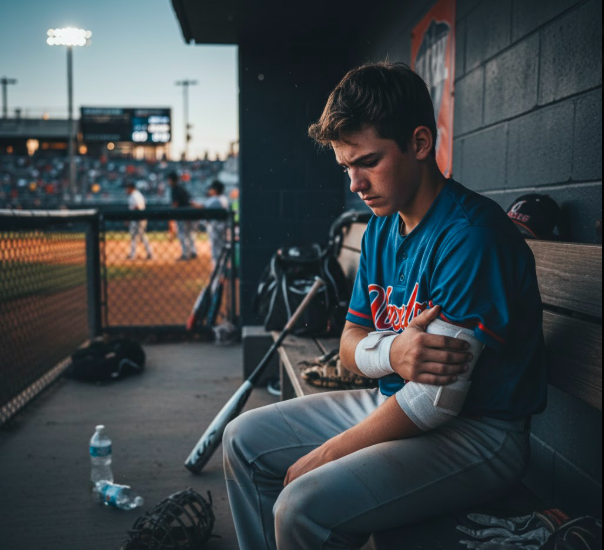
That imbalance doesn’t just mess with development. It destroys morale. Imagine being the kid who was told you “earned a roster spot,” only to realize that you were really there to fill out numbers and help fund the real project: prepping the coach’s core high school players.
If you’re paying the same fees but playing half the innings, you’re not on a team — you’re subsidizing someone else’s season.
💸 The Hidden Financial Angle
Let’s be honest — some programs accept players not because they’re a “fit,” but because they’re a fee. Travel baseball is a business, and full-paying families can find themselves accepted to rosters that were never really designed to include them in the first place.
They get the uniform, the schedule, and the promise of opportunity. What they don’t get is playing time. Coaches justify it with “matchups” or “development goals,” but the pattern is obvious: the same core group plays the big innings, the same kids get the showcase looks, and the outsiders stay in the dugout.
It’s not just unethical — it’s disrespectful. Parents invest thousands of dollars and hundreds of hours for an experience that was never going to be equal. And for players, that kind of invisible favoritism chips away at their confidence and love for the game.
⚾ The Ripple Effect on Team Culture
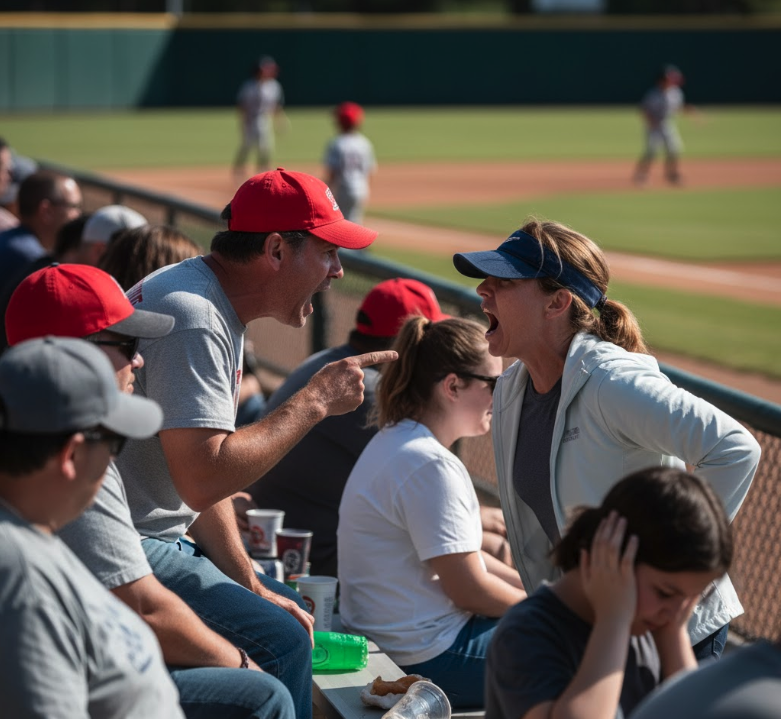
Politics doesn’t just affect who plays — it affects how everyone plays. When kids see unfairness, they stop trusting coaches. When parents see favoritism, they stop trusting programs. It spreads fast: resentment in the dugout, tension in the stands, side conversations that pull focus from the field.
The best travel teams thrive on unity — players pulling for one another, coaches holding everyone to the same standard. The worst teams fracture because people can’t shake the feeling that everything’s already decided before the first pitch.
And once that trust is gone, no pep talk or motivational quote can bring it back.
🧢 Accountability Starts at the Top
Good coaches know that perception is reality. If players and parents feel like the deck is stacked, it doesn’t matter how many trophies you win — you’ve lost the locker room. The best programs are transparent about their rosters, clear about their expectations, and honest about how playing time is earned.
It’s not about guaranteeing everyone equal innings — it’s about guaranteeing everyone a fair opportunity. That’s what real development looks like.
If you’re stacking a travel team with your high school players just to give them an edge, be honest about it. Market it that way. Don’t take money from other families under the illusion of equality.
🔁 The Bigger Picture: Baseball Deserves Better
Politics in travel baseball doesn’t just affect one team — it affects the game’s credibility. Every time a coach plays favorites, it sends the message that effort doesn’t matter and connections mean more than commitment. That’s the opposite of what youth sports are supposed to teach.
At CurveballCritiques.com, we’re not here to bash coaches — we’re here to push for accountability. Travel baseball can be incredible when it’s fair, transparent, and development-focused. But when politics takes over, it stops being baseball — and starts being business.
Parents shouldn’t have to pay for politics. Players shouldn’t have to earn respect twice. And no kid should ever feel like they’re just there to fill a uniform.
Because at the end of the day, travel baseball should build players, not divide them.