When “year-round dedication” turns into long-term damage.
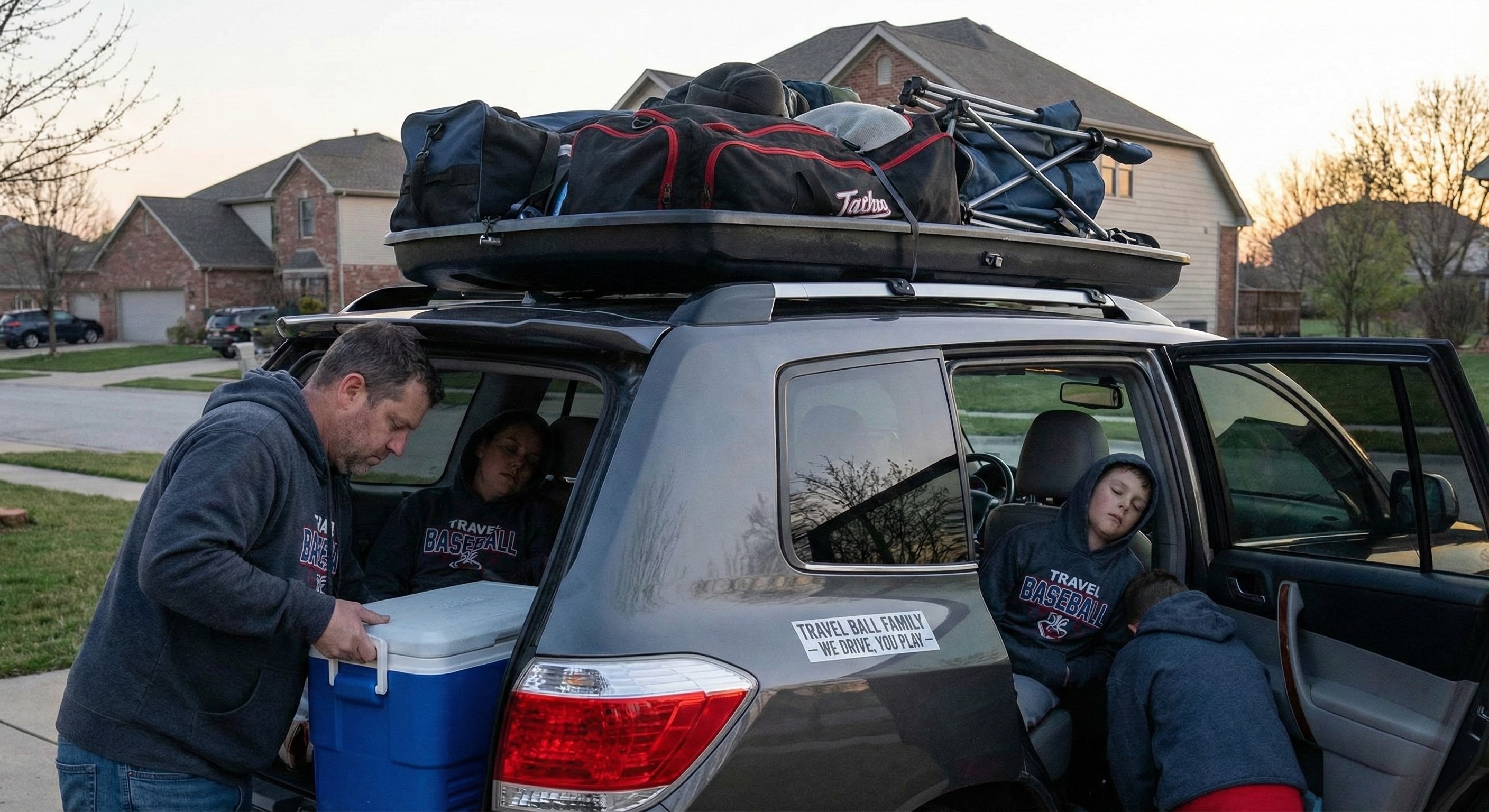
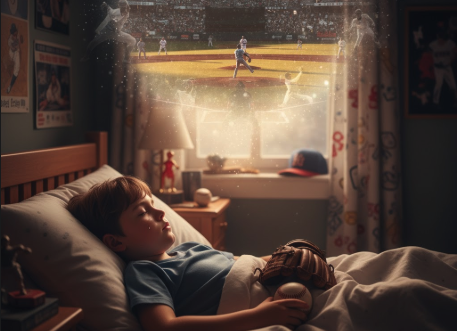
Somewhere along the way, youth baseball stopped being seasonal and started becoming full-time. Kids barely finish one travel season before jumping right into the next. Fall ball, winter workouts, spring tournaments, summer showcases — repeat.
Parents are told that this is what it takes to get ahead. But the truth? Playing baseball 12 months a year is often the fastest way to burn out — both physically and mentally.
💪 The Overuse Epidemic
Baseball is a repetitive sport by nature. Pitchers throw hundreds of pitches a week. Hitters take thousands of swings. Fielders make the same movements over and over again. That repetition builds skill — but it also builds wear and tear.
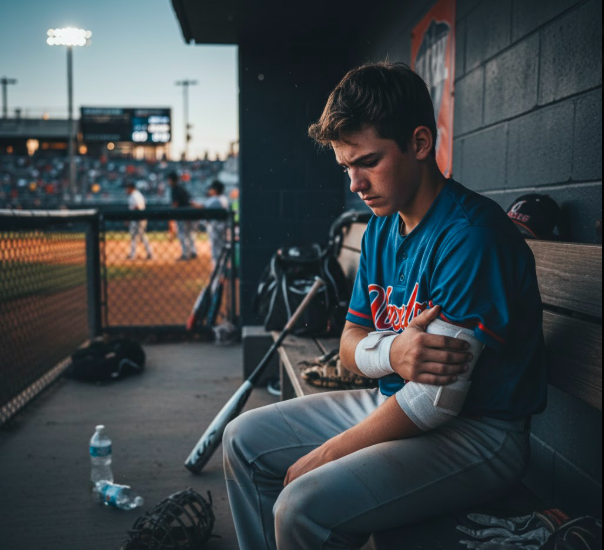
Orthopedic specialists now say overuse injuries are at an all-time high among youth baseball players. UCL tears, growth plate injuries, shoulder strains — all things that used to happen to pros are now happening to 13-year-olds.
Why? Because too many kids never stop throwing. The body doesn’t get time to heal, grow, and reset. When the same muscles, tendons, and joints are stressed year-round, something eventually gives.
Rest isn’t optional — it’s essential.
🧠 The Mental Toll Nobody Talks About
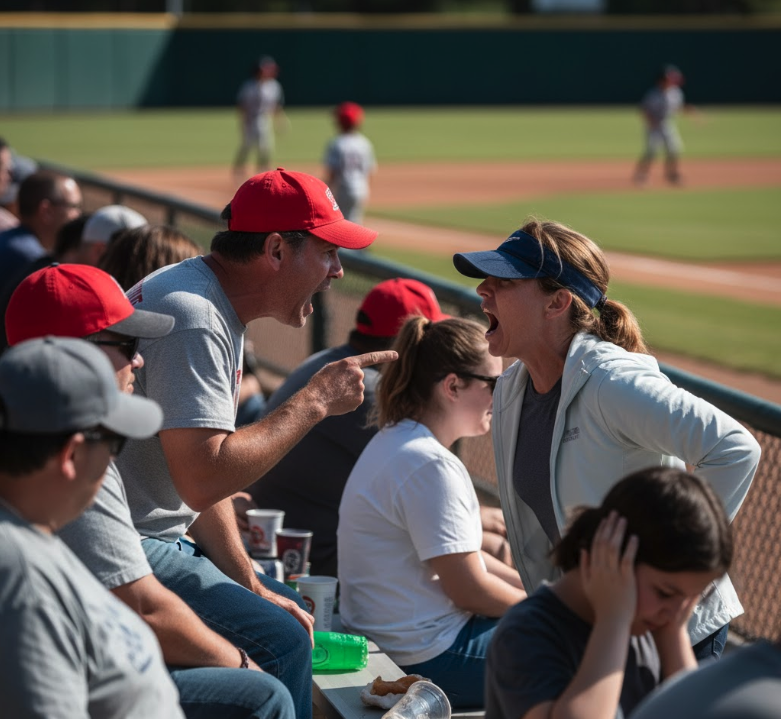
The physical risks are obvious, but the mental side is just as damaging. When kids play baseball nonstop, the game stops being fun — it starts feeling like pressure.
Every weekend becomes a performance. Every at-bat feels like a tryout. And when baseball becomes their entire identity, even a slump can wreck their confidence.
We forget that these are still kids — not professionals. They need variety, social balance, and space to miss the game once in a while. That hunger to come back is what fuels true passion — not a never-ending schedule of tournaments and showcases.
⚾ Why Multi-Sport Athletes Thrive Longer
Research (and common sense) shows that multi-sport athletes have fewer overuse injuries, perform better under pressure, and stay in sports longer.
They learn different movement patterns, engage different muscles, and develop as well-rounded athletes — not single-skill specialists. By the time they do focus on one sport, they’re more athletic, more resilient, and less likely to burn out.
That’s why many college coaches now ask recruits what other sports they played growing up — not just how many travel teams they were on.
🚨 When to Specialize — and How to Do It Safely
There’s nothing wrong with eventually focusing on baseball — the problem is when and how it happens.
A good rule of thumb:
Wait until high school (or at least age 14–15) before specializing.
Take at least 2–3 months off each year from throwing.
Use the off-season for strength, conditioning, and recovery — not constant competition.
True development comes from smart balance, not endless reps.
⚾ Final Thought: Rest Is Part of the Grind
At CurveballCritiques.com, we say it all the time — the best players aren’t the ones who never stop playing. They’re the ones who know when to stop.
The road to success in baseball isn’t a straight line — it’s a series of seasons, breaks, and resets. Over-specialization skips the reset, and that’s why so many promising players fade out before they ever reach their potential.
Let kids be kids. Let arms recover. Let the game breathe.
Because the players who make it the farthest are usually the ones who didn’t rush the journey.