One of the biggest “quiet” stressors in girls’ softball is feeling like you have to fit into a certain type of hitter. Coaches, parents, and teammates throw labels around fast: “She’s a slapper.” “She’s a power bat.” “She’s a contact kid.” And before long, players start trying to force an identity instead of building one.
The reality is way simpler:
Your offensive identity isn’t a title — it’s a strategy.
It’s what you do best right now, what helps your team, and what you can execute consistently under pressure.
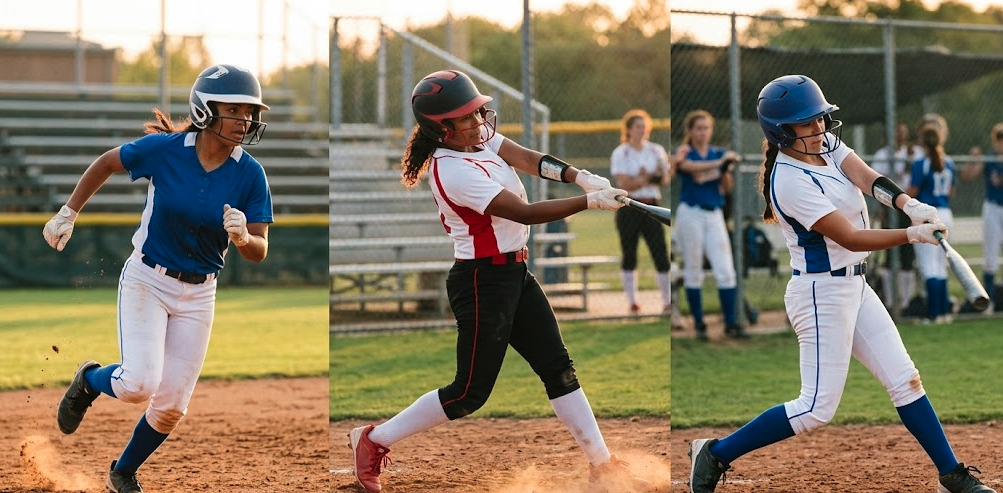
Let’s break down the three main offensive lanes — slapping, power, and contact — and how to figure out which one fits you (or how to blend them).
The Slapper: Pressure, Speed, and Chaos
Slapping gets misunderstood all the time. It’s not “just bunt and run.” A great slapper creates stress every pitch.
A true slapper brings:
speed that changes defenses
bat control and placement
high on-base ability
smart reads and aggressive baserunning
the ability to turn routine ground balls into problems
Slapping is a weapon when you can consistently:
beat out soft contact
push the ball to different zones (3B hole, 5-6, up the middle)
force rushed throws and errors
But slapping isn’t for everyone. If a player is being pushed into it only because they’re left-handed or “fast-ish,” it can backfire. Slapping takes reps, timing, and a willingness to be disruptive.
Best fit if: you’re quick, fearless on the bases, and you like winning with pressure and placement.
The Power Hitter: Damage, Fear, and Impact
Power hitters get attention, no question. Extra-base hits change innings, change games, and change how pitchers attack you.
Power doesn’t always mean home runs. In softball, real power shows up as:
consistent hard contact
balls driven into gaps
loud outs that force adjustments
the ability to punish mistakes
But here’s the part players don’t always hear:
Power hitting that comes with strikeouts and weak contact isn’t a plan — it’s a gamble.
Great power hitters still:
control the zone
stay balanced
hit hard line drives
make adjustments when pitchers change speeds
Best fit if: you have strength, bat speed, and you can stay disciplined enough to let pitchers come to you.
The Contact Hitter: Consistency and Situational Value
Contact hitters are sometimes underrated because they’re not flashy. But ask any good coach what they want in the 2-hole, and you’ll hear the same things: dependable at-bats, moving runners, putting pressure on defenses.
Great contact hitters bring:
low strikeout rate
reliable barrel control
ability to hit behind runners
situational awareness
steady quality at-bats that wear pitchers down
Contact doesn’t mean “weak.” Some of the toughest hitters to face are the ones who don’t chase, don’t panic, and keep putting the ball in play with intent.
Best fit if: you’re consistent, calm, and you love being the player your team counts on to execute.
So… How Do You Find Your Offensive Identity?
Here’s the honest approach: use performance and comfort — not labels.
Ask these questions:
What do you do consistently in games (not just practice)?
Do you naturally hit line drives, hard ground balls, or lift the ball?
Do you feel better creating pressure or doing damage?
Do you handle speed changes well?
Does your swing fall apart when you “try to hit it harder”?
Your identity is what you can repeat under pressure.
The Best Answer for Most Players: Be a Hybrid
Here’s a secret: many of the best softball hitters aren’t “only one thing.”
A slapper who can drive when corners crash is dangerous.
A power hitter who can shorten up with two strikes is lethal.
A contact hitter who can occasionally gap one becomes a nightmare.
The goal isn’t to fit into a box. The goal is to build tools that travel.
At CurveballCritiques.com we believe that slapping, power, and contact are all valuable. None are “better” — they’re just different roles. The best offensive identity is the one that matches your strengths and helps your team win, while still leaving room for growth.
If you’re not sure what lane you’re in yet, that’s fine. Many players evolve over time — especially as they get stronger, smarter, and more confident.
Start with what you do best now. Keep building. And let the identity become obvious through results.