Over the last decade, youth baseball has transformed from a simple game of instincts and reps into a world of metrics, measurements, and analytics.
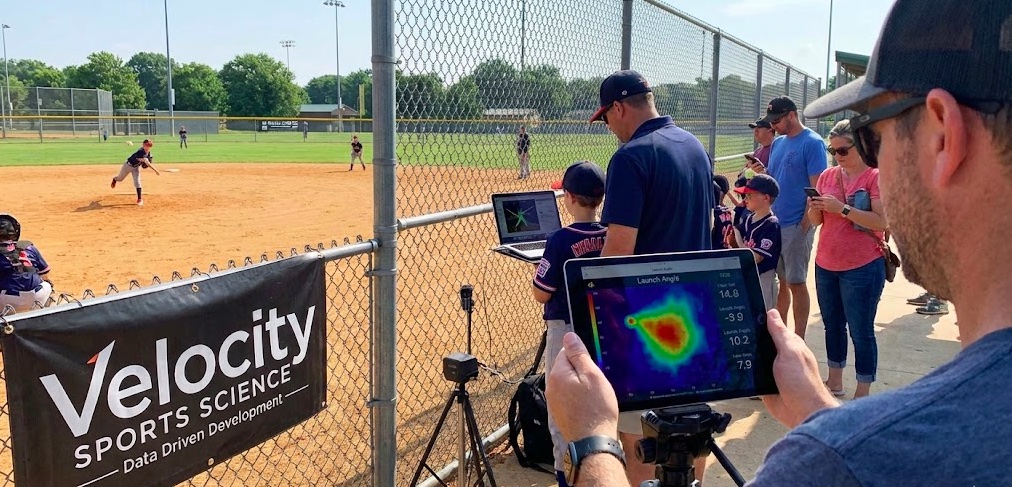
Today, 11-year-olds are being tracked on Rapsodo, 12-year-olds brag about exit velo, and parents debate whether a $400 swing sensor is “necessary” for development.
We are firmly in the era of data-driven youth baseball.
But the real question is:
Is all this data actually helping kids get better — or is it quietly hurting them?
The answer, like most things in travel baseball, is complicated.
📊 The Upside: Data Can Make Kids Better
Let’s start with the good.
When used correctly, analytics can accelerate development in meaningful ways:
🔹 1. Immediate Feedback
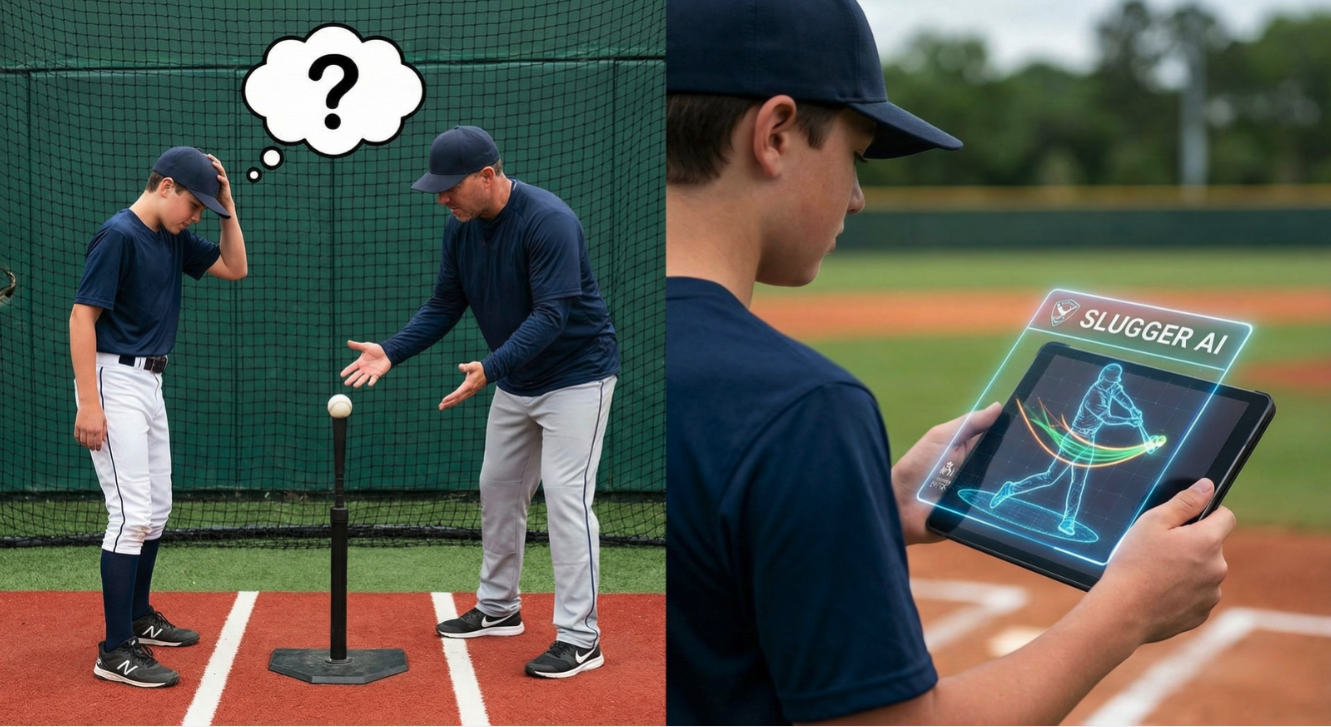
Launch angle, spin rate, bat speed — data shows what the naked eye can’t.
This helps players adjust faster and more precisely.
🔹 2. Individualized Training
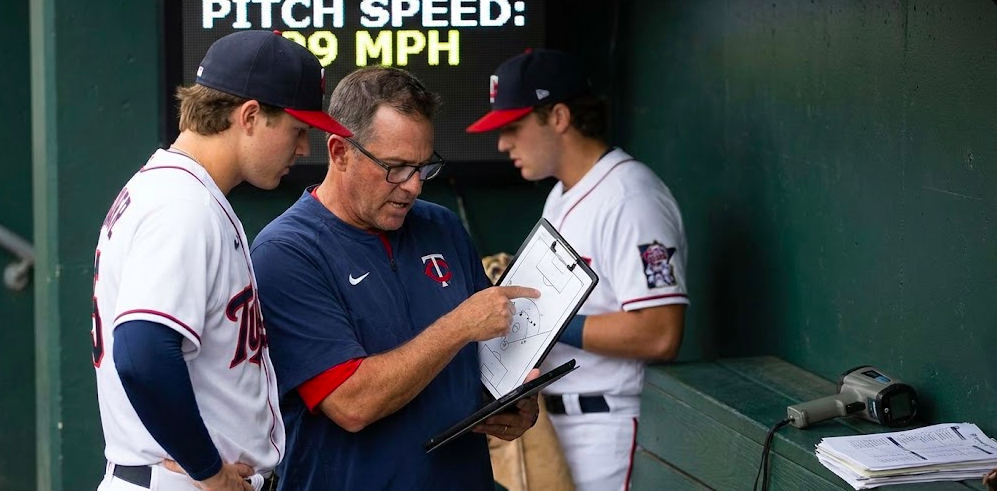
Good coaches use data to tailor plans based on the player’s actual strengths and weaknesses — not guesses.
🔹 3. Objective Progress Tracking
Instead of relying on feelings, players can see measurable improvement over time.
🔹 4. Early Mechanical Red Flags
Data often reveals:
deceleration issues
inefficiencies
arm stress points
long before they become injuries.
When paired with smart coaching, data can absolutely enhance performance.
⚠️ The Downside: Data Is Becoming a New Form of Pressure
Here’s where things go sideways:
🔹 1. Kids Start Playing to Impress Sensors, Not Win Games
Players obsess over numbers instead of competing.
You’ll hear things like:
“Coach, what was my exit velo?”
even if the ball was a weak groundout.
The game becomes a math test, not baseball.
🔹 2. Parents Compare Numbers Like Report Cards
“My kid’s throwing 70. Yours is only 64.”
It’s toxic. And it’s happening everywhere.
Kids feel judged by decimal points.
🔹 3. Metrics Are Often Misused by Unqualified Coaches
Just because someone bought a Rapsodo doesn’t mean they understand biomechanics or development.
Bad data interpretation = bad training = injured kids.
🔹 4. Early Metrics Don’t Predict Future Talent
The 13-year-old throwing 75 isn’t guaranteed to be good at 17.
In fact, many early “velocity stars” burn out or break down.
Growth, maturity, and training matter far more long-term.
🧠 The Mental Toll: Identity Becomes a Number
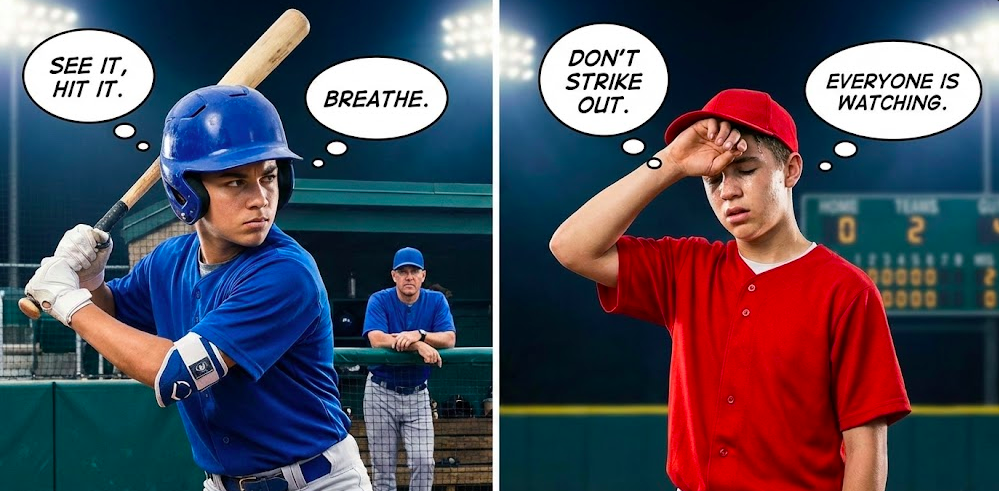
Kids who grow up attached to metrics often develop unhealthy identities:
If the number goes up → confidence.
If it goes down → panic.
But numbers fluctuate.
Confidence shouldn’t.
Baseball has always been a game of failure — adding constant statistical judgment can amplify anxiety and reduce enjoyment, especially for young kids.
⚾ The Middle Ground: Data Helps When It’s Not the Star of the Show
Data should be a tool, not a scorecard.
The healthiest approach looks like this:
Compete first
Train second
Measure third
Players should learn how to:
hit situationally
field under pressure
pitch with tempo
run smart bases
Metrics help refine skills — but the game itself still teaches the most.
Parents and coaches should use data to guide development, not control it.
🎯 Final Thought: Data Isn’t the Enemy — Misuse Is
At CurveballCritiques.com, we believe analytics have value.
We’re not anti-tech — we’re anti-pressure.
Used correctly, data builds:
confidence
awareness
efficiency
smarter players
Used poorly, it builds:
anxiety
ego
unrealistic expectations
burnout
Like anything in youth sports, the goal should be balance.
The best players aren’t the ones with the “best numbers.”
They’re the ones who know how to compete — numbers or not.