If you spend enough time around travel baseball, you’ll hear the pitch over and over:
“College coaches will be there.”
“Great exposure opportunity.”
“This is where players get recruited.”
Showcase events have become one of the biggest businesses in youth baseball. And for many families, they feel like a necessary step toward the dream of playing at the next level.
But here’s the uncomfortable question more parents are starting to ask:
Are showcase companies actually opening doors — or quietly selling hope?
Because sometimes those two things aren’t the same.
🎟️ What Showcases Promise
At their best, showcases offer:
verified metrics (velo, exit speed, 60 time)
exposure to college coaches
a centralized place to compete against strong talent
video and performance data
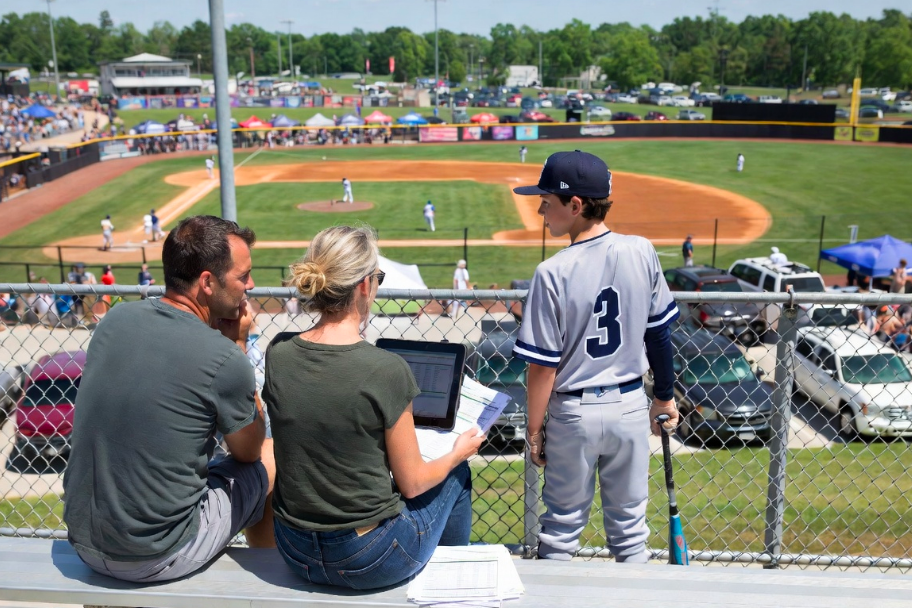
In theory, it makes sense. Instead of hoping a coach randomly sees you play, you go where the coaches already are.
And for certain players — especially older, high-performing ones — that exposure can absolutely help.
But that’s only part of the story.
📊 The Reality Most Families Don’t See
What doesn’t get talked about enough is simple math.
At a typical showcase:
150–300 players might attend
only a handful truly fit the recruiting needs of coaches present
many coaches are there casually or briefly
some are watching specific players they already know
That means most players are competing for attention in a crowded field — often without realistic odds.
Yet the marketing makes it sound like everyone has a shot.
That gap between promise and probability is where false hope creeps in.
💰 The Cost of Chasing Exposure
Showcases aren’t cheap.
Between:
event registration
travel
hotels
food
time off work
extra training beforehand
A single weekend can cost families hundreds or thousands of dollars.
Multiply that across multiple events per year, and families can spend thousands chasing exposure that may not match their player’s current development level.
The problem isn’t the cost itself.
It’s spending that money without clarity.
⚠️ When Showcases Become a Business First
Let’s be honest — showcase companies aren’t nonprofits.
They’re businesses.
And businesses grow by:
adding more events
increasing attendance
marketing dreams
It’s far easier to sell possibility than reality.
So phrases like:
“Get recruited”
“College exposure guaranteed”
“Next-level opportunity”
get thrown around loosely.
But exposure doesn’t equal recruitment.
And attendance doesn’t equal interest.
🧠 Who Showcases Actually Help Most
Showcases tend to work best for players who:
are physically mature
already perform at a high level
have solid, repeatable mechanics
are at the right age (typically older high school players)
are ready for real recruiting conversations
For younger players or those still developing fundamentals, showcases often become expensive batting practice sessions — not meaningful evaluation opportunities.
Development has to come first.
⚾ A Smarter Approach to Exposure
Instead of chasing every event, families should ask:
Is my player ready right now?
Will this event match their skill level?
Are coaches there actually recruiting this age group?
Would money be better spent on development instead?
Sometimes the best “exposure” is simply becoming a better player.
Because when you’re truly ready, coaches find you.
🎯 Final Thought: Don’t Buy the Dream — Build the Player
At CurveballCritiques.com, we’re not anti-showcase.
We’re anti-misleading expectations.
Showcases can be valuable tools — but they’re not magic tickets. They don’t replace development, reps, or fundamentals.
The harsh truth?
You can’t market your way past skill gaps.
Build the player first.
Then seek exposure.
Because real opportunity comes from preparation — not a registration fee.