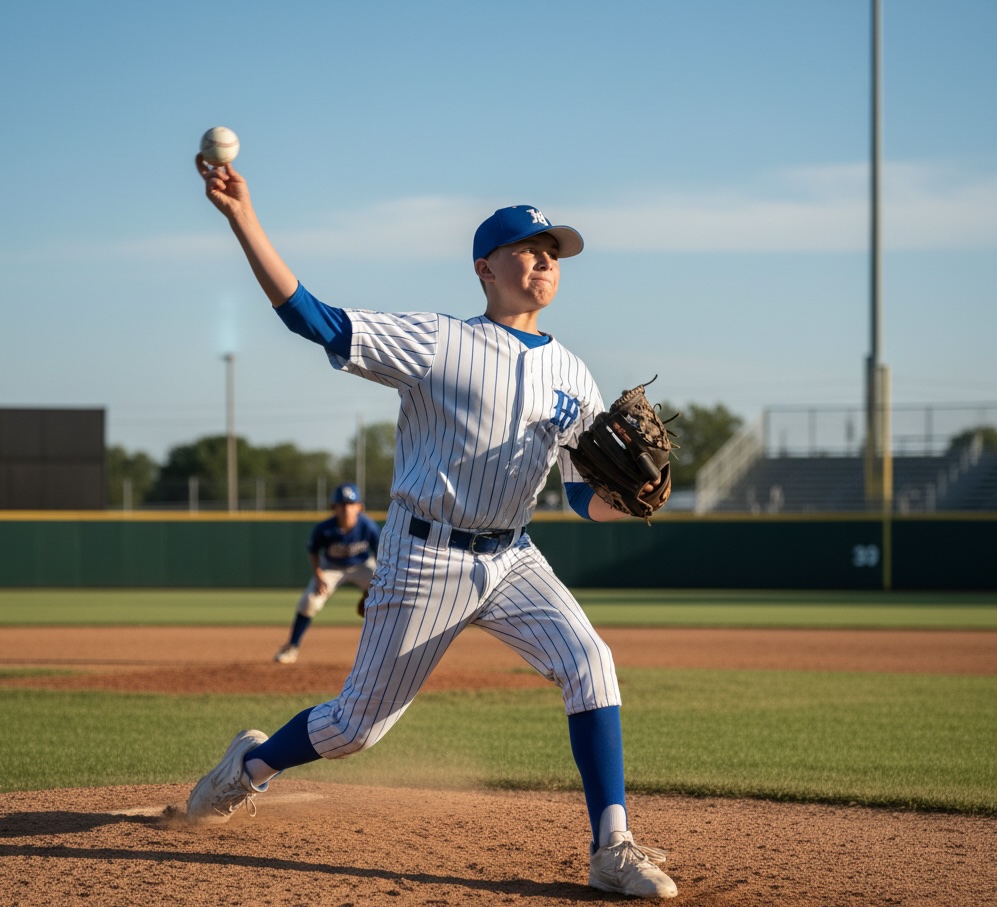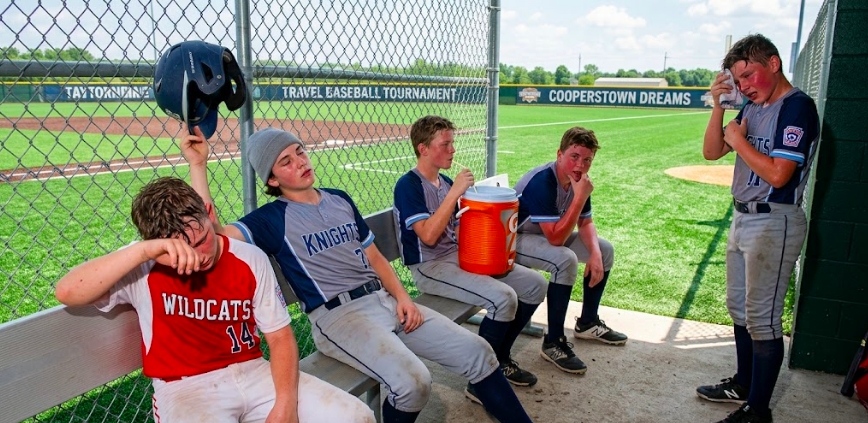
Summer travel baseball can be great — long weekends, good competition, and a lot of baseball. But it can also be brutal. Between direct sun, back-to-back games, and turf fields that feel like they’re giving off heat from below, players can wear down fast if they’re not prepared.
And once the heat starts getting to a player, everything gets harder: energy drops, focus slips, legs feel heavy, and recovery between games becomes a challenge. So dealing with summer heat is not just about comfort — it’s about performance and safety too.
Start Hydrating Before You Get to the Field
One of the biggest mistakes players make is waiting until they feel thirsty. By then, they’re already behind.
The best approach is to start hydrating the night before and keep it going the morning of the game. Water matters, but on hot weekends it usually can’t be water alone. Sweat loss is real, especially on turf, so players need electrolytes too. That can mean sports drinks, electrolyte powders, or other hydration options that help replace what’s being lost.
The goal is simple: don’t show up already dried out.
Dress Smart and Keep Extra Gear
Heavy gear and dark colors can make bad heat even worse. Players should wear lightweight moisture-wicking shirts under jerseys when possible, keep an extra shirt in the bag, and bring extra socks. Once clothes get soaked in sweat, they stay heavy and uncomfortable, especially during long tournament days.
It also helps to have:
a cooling towel
extra wristbands
a shaded hat for in-between games
sunglasses if the player uses them comfortably
more than one water bottle so there’s always a cold one ready
The little things matter more than people think.
Turf Fields Are a Different Animal
Anyone who has played on turf in July knows the difference. It doesn’t just feel hot — it feels like the heat is coming from everywhere. Turf can wear players down faster because it holds and reflects heat much more than grass.
That means players need to be even more intentional on turf days:
hydrate more aggressively
cool down between innings and games
get into shade whenever possible
change out of hot gear if there’s a long break
avoid standing in direct sun when there’s no reason to
Even just sitting on a bucket or cooler in the shade instead of standing on hot turf can help preserve energy.
Eat Like You’re Playing All Day
A lot of players either eat too little or eat the wrong stuff during summer tournaments. Heavy greasy food in the middle of a hot day usually does not end well. But skipping food entirely is just as bad.
The best approach is lighter, steady fuel:
fruit
granola bars
peanut butter sandwiches
pretzels
crackers
simple snacks that are easy on the stomach
Players need enough fuel to keep energy up without feeling sluggish.
Cool the Body Down Between Games
Recovery between games becomes huge in the summer. If a player finishes one game overheated and never cools down properly, the next game usually feels twice as hard.
Good between-game habits include:
getting shoes off for a bit if possible
using cold towels on the neck and arms
sitting in shade or air conditioning
changing shirts
drinking steadily, not all at once
resting instead of burning energy walking around all over the complex
Sometimes the smartest move between games is doing less.
Know the Signs That the Heat Is Becoming a Problem
Players, coaches, and parents all need to watch for warning signs. Heat issues do not always start dramatically. Sometimes it’s subtle at first:
headache
dizziness
nausea
unusual fatigue
chills
cramping
looking pale or unusually flushed
loss of focus or sluggish movement
That is not the time to “tough it out.” The heat can turn from manageable to dangerous quickly.
Final Thought
Summer baseball is supposed to be challenging, but the heat should never catch players unprepared. The teams and players who handle hot weather best are usually not the toughest — they’re the smartest. They hydrate early, manage energy, respect the heat, and treat recovery like part of the game.
At CurveballCritiques.com, we believe players perform better when they prepare for everything the game throws at them — including the weather. Handling summer heat the right way can be the difference between surviving a tournament and still playing your best by the last game of the day.