Strength training in softball has come a long way. It used to be that a lot of players were told to just “get stronger” without much direction, or worse, avoid lifting altogether because someone thought it would make them stiff or mess up their swing. Thankfully, that thinking has changed.
Done the right way, strength training can help softball players throw harder, run faster, hit with more power, stay healthier, and recover better through long seasons. Done the wrong way, it can leave players sore, overtrained, and dealing with nagging injuries that never fully go away.
The key is understanding that softball strength training should support performance not just make an athlete tired.
What Softball Players Should Be Doing
The best strength programs for softball players usually start with the basics: lower-body strength, core control, movement quality, and upper-body stability.
Leg strength matters because so much of softball starts from the ground up. Hitting power, sprint speed, and throwing mechanics all rely on force coming from the lower half. Squats, split squats, lunges, deadlift variations, and step-ups are all great when taught correctly.
Core work matters too, but not in the “100 sit-ups a day” way. Softball players need core strength that helps them resist movement, rotate efficiently, and stay balanced. Think planks, anti-rotation work, controlled med ball throws, and rotational movements that actually connect to the sport.
Upper body training should focus less on just “bigger arms” and more on shoulder health, posture, back strength, and stability. Rows, band work, scapular control exercises, light pressing done correctly, and rotator cuff work all play an important role. For overhead athletes — especially pitchers and catchers — this stuff is not optional.
And then there’s speed and explosiveness. Softball is a game of short bursts. Players should be doing some mix of sprint work, jumps, medicine ball throws, and quick-change-of-direction work. You don’t need marathon workouts to get better at a sport built on fast, explosive movements.
What to Avoid
One of the biggest mistakes softball players make is training like bodybuilders instead of athletes. Endless machine work, random arm exercises, and workouts designed just to “feel the burn” don’t always transfer to the field. Looking fit and training for softball are not always the same thing.
Another common problem is doing too much during the season. In the offseason, players can push strength a little more. In-season, the goal shifts. You’re trying to maintain strength, stay fresh, and avoid piling fatigue on top of practices, games, travel, and lessons. Heavy soreness in the middle of the season usually means something is off.
Poor technique is another big one. A good exercise done badly becomes a bad exercise. That’s why younger players especially need coaching and supervision when learning lifts. The goal isn’t to rush into heavyweight numbers it’s to move well first.
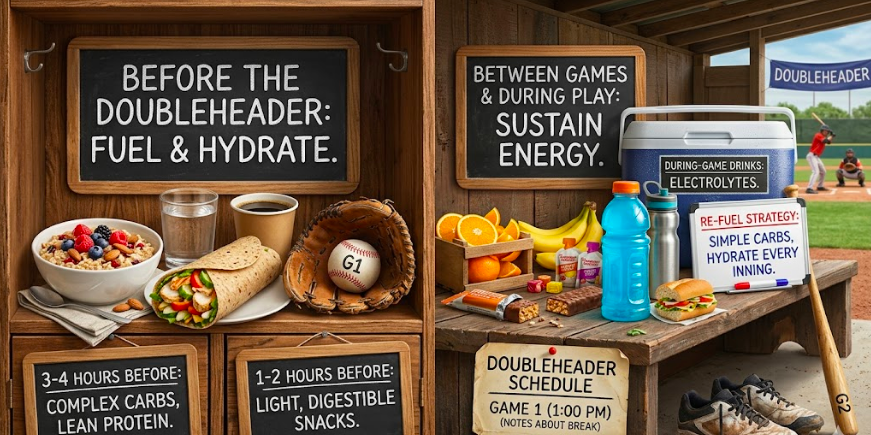
And finally, softball players should avoid ignoring recovery. Strength training only works if the body can adapt to it. Sleep, hydration, nutrition, and rest days matter just as much as the workout itself. A player who trains hard but recovers poorly usually ends up spinning their wheels.
The Bigger Picture
Strength training should make a softball player feel more athletic, not more beaten up. A good program helps players move better, feel stronger, and stay durable across a long year. It should build confidence, not just muscle soreness.
The best results usually come from consistency, not extremes. You don’t need crazy workouts, trend-chasing exercises, or hours in the gym. You need a smart plan, solid technique, and training that actually matches the demands of softball.
In the end, strength training is one of the best tools a softball player can use as long as it’s done with purpose. The goal isn’t just to get stronger in the gym. It’s to become a better athlete when the game starts.