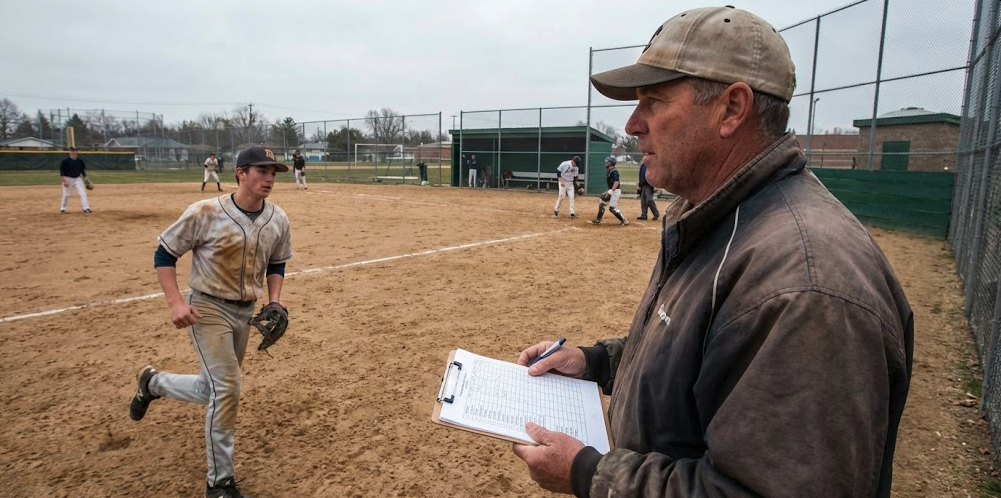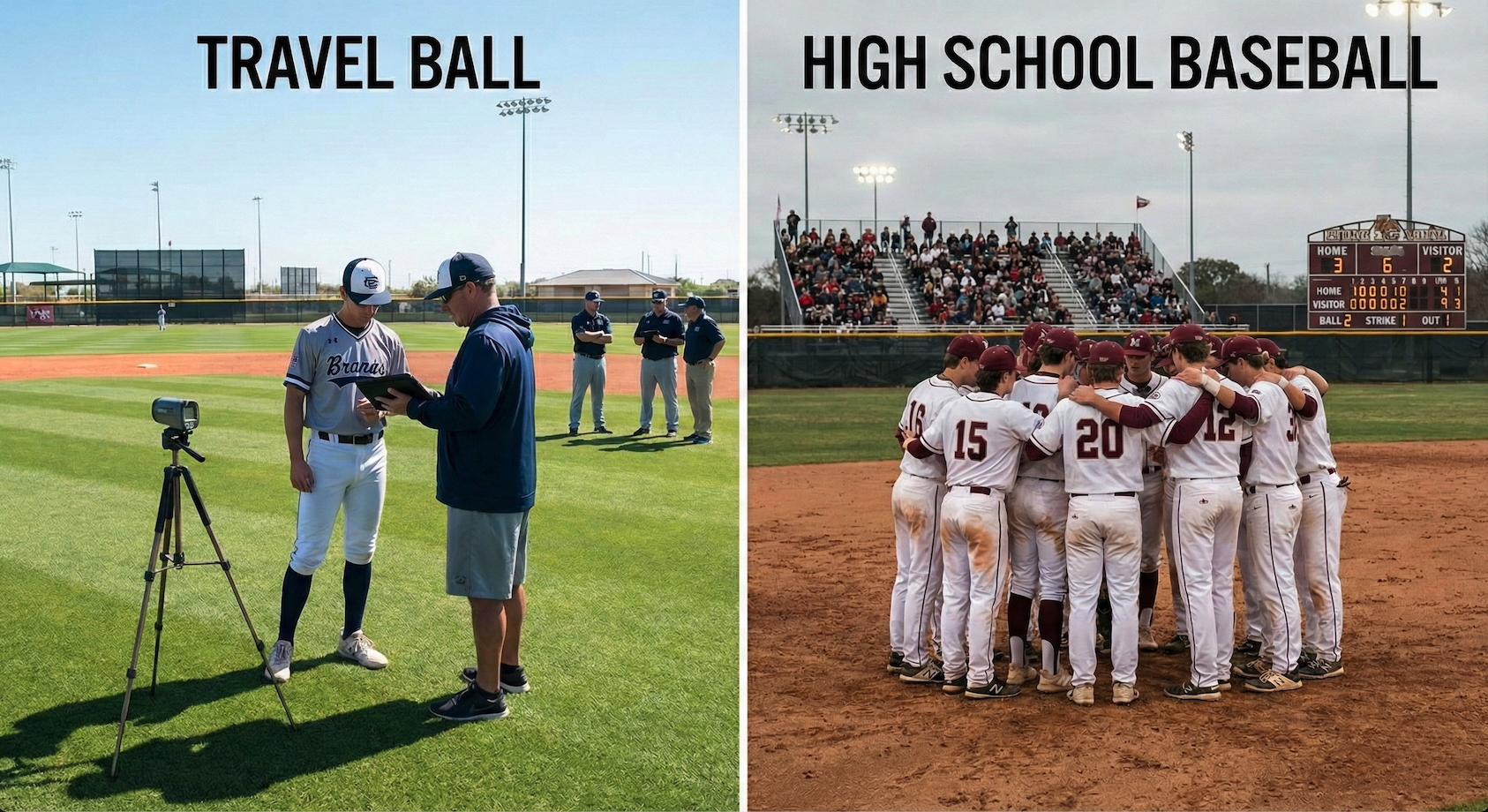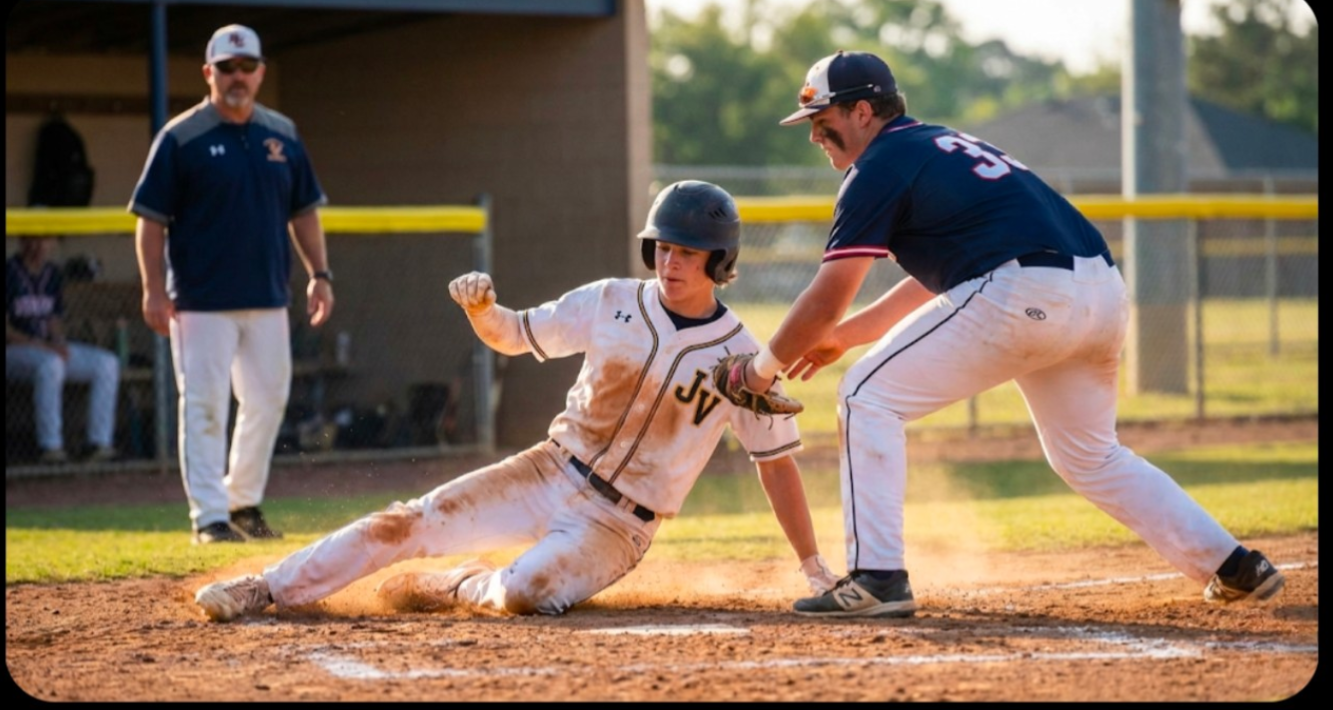
Every spring, you’ll hear the same question from motivated players and parents:
“How good do freshmen have to be to make JV?”
And sometimes the bigger one:
“What about varsity?”
If you go to a large public school — especially a competitive one with 2,000+ students — the bar can feel even higher. You’re not just competing against other freshmen. You’re competing against older, stronger players who’ve already been through the system.
So what does it actually take?
✅ First, the Truth: Coaches Don’t Pick JV or Varsity Based on Metrics Alone
Yes — velocity, pop time, and exit velo matter. But high school coaches aren’t building a “metrics team.” They’re building a team that can:
execute the routine play
compete under pressure
handle game speed
limit mistakes
stay composed when things go sideways
A freshman who makes JV (and especially varsity) isn’t just “talented.” They’re usually reliable, athletic, coachable, and they don’t look overwhelmed by the pace of high school baseball.
In other words:
Tryouts aren’t won by flash. They’re won by trust.
🧢 What Coaches Really Look for at Tryouts (JV + Varsity)
1) Defensive reliability
If you can’t field and throw consistently, it’s tough to justify a roster spot — especially on varsity. Coaches would rather take a “steady” defender than someone with big tools who gives away outs.
2) Game speed
The biggest jump from youth/travel ball to high school is speed — not just running speed, but the speed of decision-making:
reading the ball off the bat
knowing where to go with it
handling pressure situations
being ready for the next play
Freshmen who make JV usually adjust quickly.
Freshmen who make varsity already look comfortable.
3) Coachability and body language
This is a separator. Coaches notice who:
listens
applies instruction quickly
hustles between reps
stays engaged when they fail
A freshman who responds well to correction stands out immediately.
4) A “tool” that plays
Most freshmen who make JV have at least one above-average tool.
Freshmen who make varsity usually have multiple.
That tool could be:
strong arm
speed
advanced bat-to-ball skills
catch-and-throw ability (catchers)
left-handed pitching potential
legit power that shows up in games
📊 Metrics: What They Typically Look Like (JV vs Varsity)
There’s no national standard because competition varies by state, conference, and school depth. But here’s a realistic framework: JV metrics are often “competitive.” Varsity metrics are often “separating.”
Hitting
JV-level (freshman who sticks):
consistent hard contact
fewer weak outs
competitive at-bats
ability to handle live pitching and adjust
Varsity-level (freshman who makes it):
doesn’t look overmatched by older pitchers
controls the barrel consistently
shows mature approaches (counts, situational hitting, not chasing junk)
produces in scrimmage/live situations, not just cages
Exit velo can help you get noticed, but coaches trust: line drives, bat control, and quality ABs over one loud number.
Throwing / Defense
JV-level:
accurate throws
steady glove
clean footwork
reliable routine plays
Varsity-level:
faster hands and feet
quicker release
better range
smoother actions
fewer mental mistakes
A varsity coach is watching one thing constantly:
“Can I put this kid in a varsity game and not lose innings?”
Pitchers
JV-level:
throws strikes
competes
handles adversity
shows at least one reliable pitch and developing secondary offerings
Varsity-level:
throws strikes and can locate
stays calm when runners get on
can pitch to contact or get a big out
has at least one real “weapon” pitch
doesn’t get rattled by older hitters
Velocity helps, but varsity coaches fall in love with strike-throwers who compete and don’t implode.
Catchers
Catchers are one of the most direct paths for a freshman to jump levels — if they can truly catch and throw.
JV-level:
receives cleanly
blocks well
shows decent pop/throw accuracy
manages the basics
Varsity-level:
controls the running game
blocks consistently under pressure
shows advanced receiving
leads pitchers and handles pace
calls a smart game (or shows the ability to learn it fast)
🏫 Why a Big School Changes the Bar
At large schools, JV and varsity tryouts are often stacked with:
older sophomores who were close to varsity
juniors competing for depth spots
travel ball players
athletes transitioning from other sports
kids with real physical maturity
So a freshman who makes JV is usually ahead of the curve.
A freshman who makes varsity usually forces the staff’s hand.
They aren’t “given a chance.”
They’re simply too playable to ignore.
🎯 What Freshmen Should Focus On (If JV or Varsity Is the Goal)
If you want to maximize your chances:
Make routine plays automatic
Throw accurately with a quick release
Control your body language (no sulking, no excuses)
Run well and move well (athleticism shows instantly)
Have competitive ABs (don’t chase, don’t panic)
Show you can adjust (coaches love learners)
JV is often about showing you belong.
Varsity is about showing you can help right now.
⚾ Final Thought: Don’t Make One Tryout Define You
Making JV or varsity as a freshman can be a big accomplishment — especially at a tough school. But baseball development isn’t linear. Some kids pop early and stall. Others get cut, grow, grind, and become varsity starters later.
The real win is building: skills, confidence, consistency, and maturity.
At CurveballCritiques.com
we believe families deserve honest clarity about what’s real in travel and high school baseball — not hype. Tryouts don’t just test talent; they test readiness, reliability, and how a player carries themselves. Focus on becoming a complete player, and the levels take care of themselves.